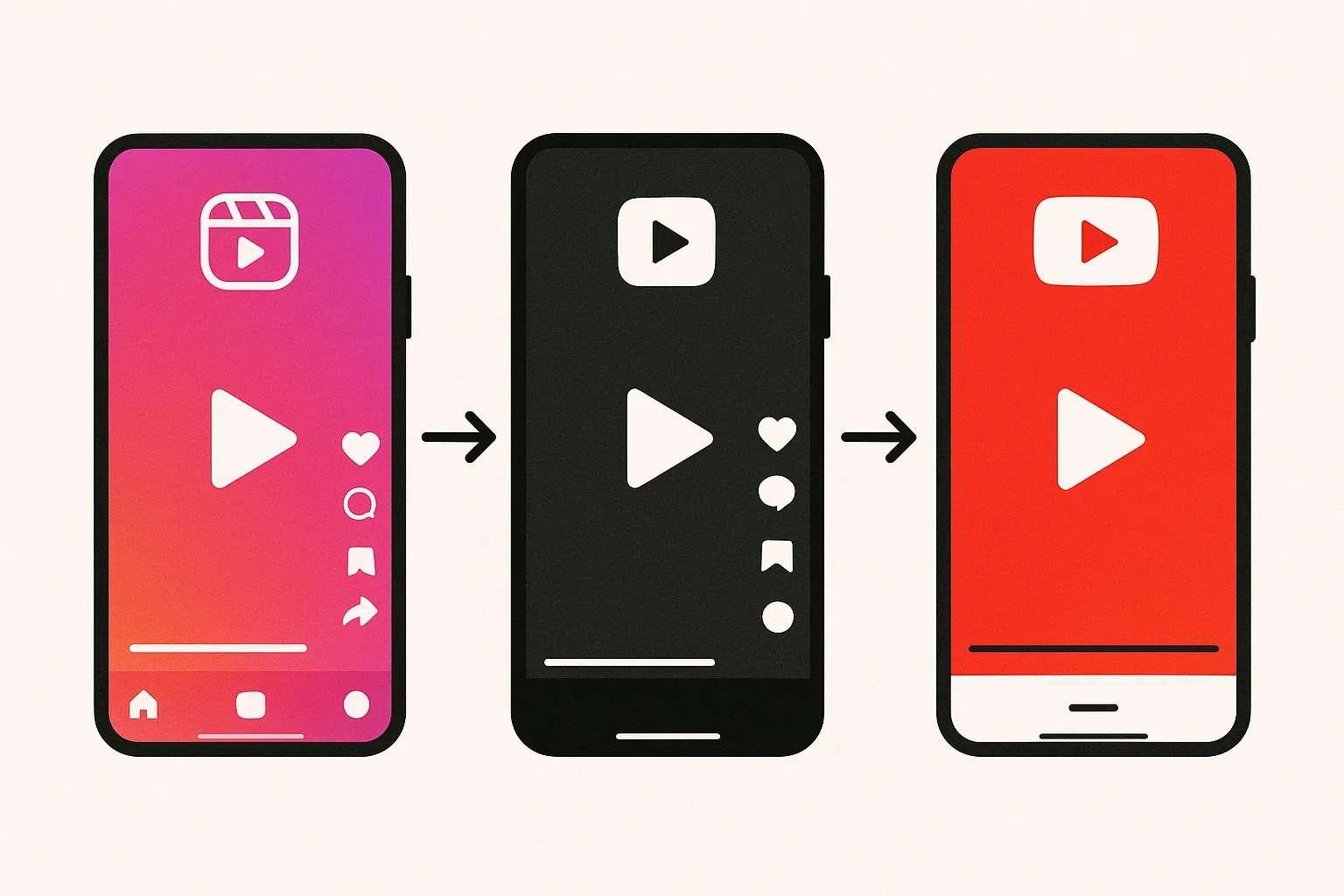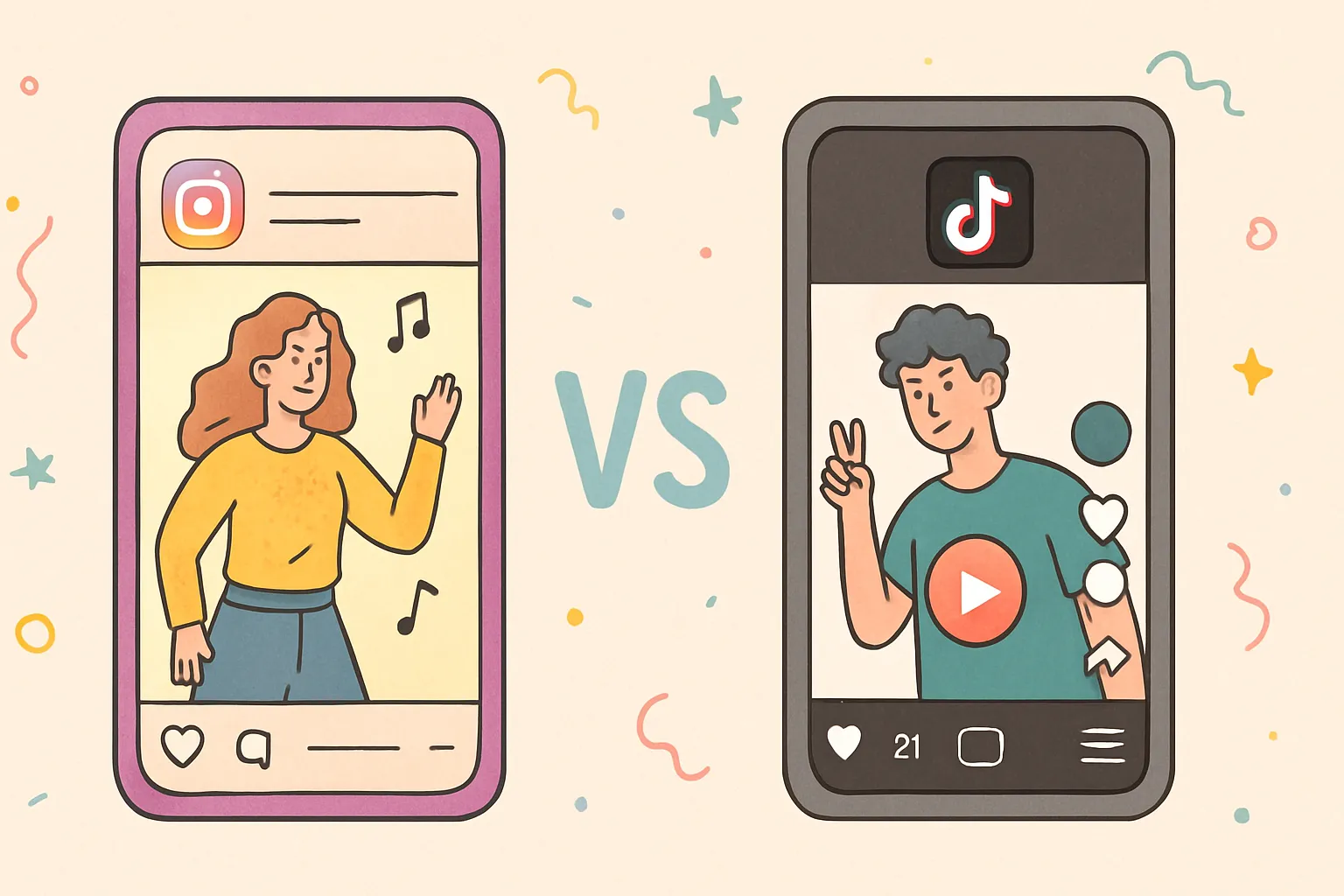
Instagram Reels and TikTok look almost identical on the surface. Both are vertical short-form video feeds where you scroll through content from people you have never followed. Both reward creativity, consistency, and audience engagement. But underneath that similar interface, the two platforms work very differently in ways that fundamentally affect your strategy, reach, and results.
If you are deciding where to focus your time and energy, or whether to invest in both, this comparison breaks down the actual differences that matter: algorithm behavior, audience demographics, reach potential, content culture, monetization, e-commerce capabilities, and which platform deserves your attention based on your specific goals.
Key Takeaways
- TikTok is for discovery; Instagram is for conversion. TikTok's algorithm is the strongest content discovery engine in social media. Instagram Reels is stronger for converting attention into followers, website traffic, and sales.
- TikTok gives new creators a real chance. A zero-follower account can go viral on TikTok. Instagram Reels performance is more tied to existing audience engagement.
- Engagement rates differ dramatically. TikTok's average engagement rate is roughly 4x higher than Instagram Reels (approximately 2.80% vs. 0.65%).
- Demographics are distinct. TikTok skews younger (18-34). Instagram has a broader age range (25-45) with higher average household income.
- The best strategy is both. Use TikTok for audience discovery and Instagram for relationship building and conversions. Cross-post the core content with platform-specific adaptations.
- Content culture is different. TikTok rewards raw personality. Instagram rewards aesthetic quality. The best creators adapt their approach for each platform.
How Do the TikTok and Instagram Reels Algorithms Differ?
The algorithm is the single biggest difference between Instagram Reels and TikTok, and it determines almost everything else about the platforms: who sees your content, how fast you can grow, and what types of content succeed. Understanding how each algorithm works is essential for making an informed platform decision.
How Does the TikTok Algorithm Work?
TikTok's algorithm is purely interest-based. It does not care about your follower count, your posting history, your account age, or how many other videos you have made. Every single video gets tested with a small, random audience segment. If that initial audience responds well (watches to the end, rewatches, shares, comments, follows), the video gets pushed to a larger group. This cycle repeats until the video either stops performing or reaches millions of viewers.
The key implications of this system:
- Zero-follower virality is real. A brand-new account with zero followers can go viral on its first post. This happens regularly on TikTok and is practically impossible on most other platforms. The algorithm evaluates each video independently, not the account behind it.
- Every video gets a fair test. Unlike Instagram, where your existing followers seed initial engagement, TikTok shows your video to people who have never seen your account. The audience is selected based on interests and behavior patterns, not social connections.
- Past performance does not guarantee future reach. Having a viral video does not mean your next video will perform well. Each video is evaluated on its own merits, which means TikTok rewards consistent quality but does not provide the safety net of an established audience cushioning mediocre content.
- Watch time is the primary signal. TikTok weights completion rate (percentage of viewers who watch to the end) and rewatch rate more heavily than likes or comments. A video that 80% of viewers watch completely will outperform a video that gets more likes but only 30% completion.
How Does the Instagram Reels Algorithm Work?
Instagram Reels uses a recommendation engine, but it operates differently from TikTok in several important ways. Reels get distributed to non-followers, but the algorithm leans more heavily on your existing audience as a starting signal. Your followers see your Reel first, and their engagement determines whether it gets pushed to a wider audience.
The key implications:
- Existing followers matter more. Accounts with established, engaged followings see more consistent Reel performance because they have a reliable base of initial viewers who interact with the content. New accounts face a slower ramp because they lack this initial engagement base.
- Holistic account activity factors in. Instagram considers your broader account activity (Stories, feed posts, DM engagement, comment activity) when deciding how to distribute your Reels. It is a more holistic system that benefits accounts active across all of Instagram's features. A creator who only posts Reels but ignores Stories, feed posts, and DMs will see lower distribution than one who uses the full platform.
- Relationship signals are weighted. If someone regularly DMs you, comments on your posts, or views your Stories, Instagram is more likely to show them your Reels. This relational element means Instagram Reels performance compounds over time as you build deeper connections with your audience.
- Content quality signals are more aesthetic. Instagram's algorithm appears to weight visual quality more heavily than TikTok's. Blurry, low-resolution, or visually cluttered Reels tend to receive lower distribution. The platform's heritage as a visual-first app influences what the algorithm promotes.
How Do the Two Algorithms Compare Side by Side?
| Factor | TikTok | Instagram Reels |
|---|---|---|
| Primary Distribution Signal | Content quality and viewer interest match | Existing audience engagement + content quality |
| New Account Potential | High — viral from day one is possible | Lower — slow ramp without existing followers |
| Follower Count Impact | Minimal — each video judged independently | Significant — followers seed initial engagement |
| Cross-Feature Benefit | Limited — video performance is primary | High — Stories, DMs, feed activity all factor in |
| Most Important Metric | Watch completion rate and rewatch rate | Initial engagement velocity from followers |
| Content Lifespan | Longer — videos can resurface weeks later | Shorter — most reach concentrated in first 48 hours |
What Is the Reach and Virality Potential of Each Platform?
If your primary goal is maximum reach and rapid audience growth, TikTok has a clear structural advantage. The platform is architecturally designed for discovery. The majority of content people see on TikTok comes from accounts they do not follow, which creates enormous viral potential for any piece of content that resonates.
How Does TikTok's Reach Compare to Instagram Reels?
Instagram Reels can go viral, but the ceiling is typically lower and the path is less predictable. Reels are most effective when you already have a base of engaged followers who seed the initial engagement. A Reel from an account with 10,000 engaged followers starts with a structural advantage over the same Reel from an account with 100 followers.
The engagement numbers tell the story. TikTok's average engagement rate sits around 2.80%, compared to Instagram Reels at approximately 0.65%. That is a 4x difference in how actively audiences interact with content. This gap exists because TikTok's full-screen, one-video-at-a-time interface demands active engagement (watch, skip, like, comment) from every viewer, while Instagram's interface offers more passive browsing options.
What Does "Going Viral" Look Like on Each Platform?
Viral benchmarks differ significantly between platforms:
- TikTok viral — A video hitting 1-10 million views from an account with under 10,000 followers is a common occurrence. Videos can continue gaining views for weeks after posting as the algorithm resurfaces them to new audiences.
- Instagram Reels viral — A Reel hitting 100,000-500,000 views from a small account is considered viral. The reach ceiling is lower, and most of the views come within the first 48 hours before distribution tapers off.
This does not mean Instagram Reels is inferior. It means the platforms serve different purposes. TikTok is optimized for broad discovery; Instagram is optimized for deeper, more sustained engagement with a defined audience.
Who Uses TikTok vs. Instagram?
Knowing who uses each platform is critical for choosing the right one for your content and business goals. The demographic differences between TikTok and Instagram are significant and should drive your platform strategy.
What Are the Age Demographics of Each Platform?
- TikTok — Skews younger. Strongest with Gen Z (18-24) and younger Millennials (25-34). Growing with older demographics but still primarily a younger platform. Roughly 60% of TikTok's user base is under 35.
- Instagram — Broader age range. Strong with Millennials (25-40) and increasingly with Gen X (40-55). More balanced gender distribution. Generally higher household income among users. Instagram's user base is more evenly distributed across age groups.
How Do Audience Behaviors Differ Between Platforms?
| Behavior | TikTok Users | Instagram Users |
|---|---|---|
| Primary Activity | Discovery and entertainment | Following and engaging with chosen accounts |
| Content Consumption | Lean-back browsing, longer sessions | Check-in behavior, shorter but more frequent sessions |
| Purchase Behavior | Impulse-driven, discovery-based | Research-driven, trust-based |
| Creator Relationship | Casual — follow for content, not loyalty | Deeper — follow for ongoing relationship |
| Average Daily Time | ~95 minutes | ~33 minutes |
| Search Behavior | Increasing (Gen Z uses TikTok as a search engine) | Limited (primarily through Explore and hashtags) |
If you are targeting consumers under 30, TikTok is likely your stronger platform. If your audience is 28-45 professionals, parents, or consumers with higher disposable income, Instagram probably reaches more of them. If your audience spans both demographics, both platforms deserve investment.
How Does Content Culture Differ Between TikTok and Instagram Reels?
The content that performs well on each platform has a distinctly different feel. Understanding these cultural differences is essential for creating content that resonates rather than content that feels like it was designed for somewhere else.
What Kind of Content Works on TikTok?
- Raw, authentic, and personality-driven. TikTok audiences connect with real people more than polished brands. Imperfect lighting, casual settings, and unscripted moments often outperform studio-quality production.
- Trend-based participation. Trending sounds and formats receive algorithmic boosts on TikTok. Participating in trends (when they fit your niche naturally) is one of the fastest paths to reach on the platform.
- Edutainment. The blend of education and entertainment is TikTok's strongest content genre. Teach something useful in an entertaining way and the algorithm rewards it generously.
- Less polished beats overproduced. Content that feels too produced, too corporate, or too scripted underperforms on TikTok. The platform's culture values authenticity and relatability over production value.
- Quick hooks are essential. TikTok's swipe-to-skip interface means you have approximately 0.5 seconds to prevent a scroll. The opening frame must immediately communicate value, intrigue, or visual interest.
- Story-driven content. "Storytime" format videos, where creators narrate personal experiences or interesting situations, consistently perform well because they create narrative tension that keeps viewers watching.
What Kind of Content Works on Instagram Reels?
- Slightly more polished and curated. Instagram's audience expects a higher baseline of visual quality. Content does not need to be professionally produced, but it should look intentional and aesthetically considered.
- Aesthetic quality matters more. Good lighting, pleasing color grading, and visual composition have a measurable impact on Reels performance. Instagram's heritage as a visual platform means its audience judges visual quality more critically.
- Lifestyle and aspiration perform well. Fashion, travel, food, beauty, fitness, and interior design content performs particularly well on Instagram because the platform's culture rewards aspirational and visually appealing content.
- Trending audio helps but is less dominant. Using trending sounds can boost Reels performance, but it is not as strong a factor as on TikTok. Original audio performs better on Instagram than it does on TikTok, giving creators more freedom to use their own voiceovers and sound design.
- Educational carousels and Reels work well together. Instagram's multi-format ecosystem means Reels work best as part of a broader content strategy that includes carousels, Stories, and feed posts. The cross-format synergy is a unique advantage of Instagram.
- Longer, more detailed content has a place. While attention spans are short everywhere, Instagram Reels audiences are slightly more willing to watch through a well-constructed 60-90 second Reel than TikTok audiences, who demand faster pacing.
A good rule of thumb: TikTok rewards personality. Instagram rewards aesthetics. The best creators do both, but know which to lead with on each platform.
How Do Video Length and Format Compare?
The technical specifications of each platform affect what kind of content you can create and how you should structure it.
| Specification | TikTok | Instagram Reels |
|---|---|---|
| Maximum Video Length | 10 minutes | 90 seconds |
| Ideal Video Length | 45-120 seconds | 30-60 seconds |
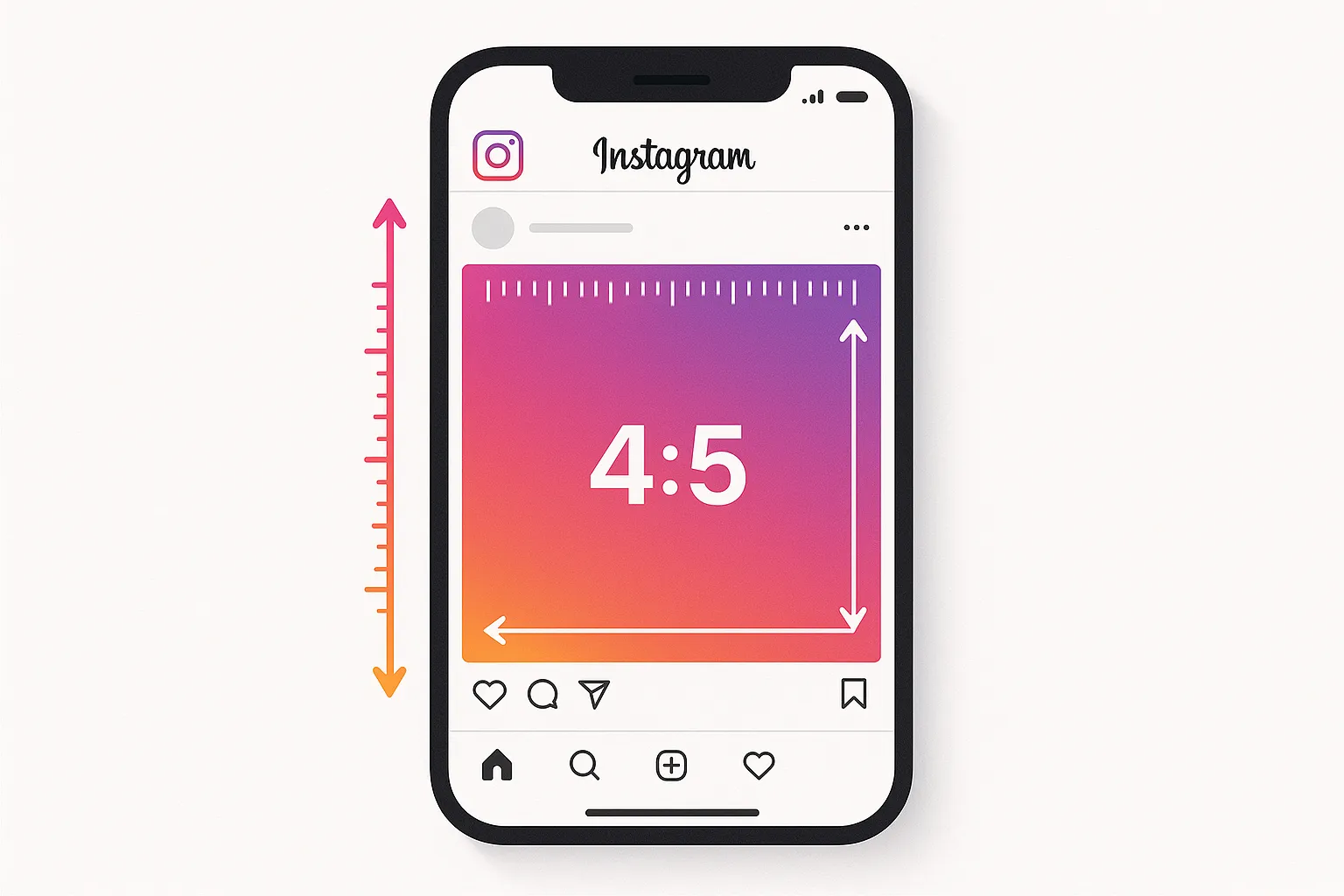
| Aspect Ratio | 9:16 (vertical) | 9:16 (vertical) |
| Photo Posts | Supported (photo mode, carousels) | Reels are video-only; photos go to feed |
| Built-in Editing | Extensive (effects, green screen, text, timer) | Improving but less extensive |
| Audio Library | Larger, more trending sounds | Smaller but growing |
TikTok's longer maximum video length gives more room for storytelling, detailed tutorials, and multi-part narratives. The platform has been pushing longer content as it competes with YouTube, and videos in the 2-5 minute range can perform well if engagement remains high throughout.
Instagram Reels' 90-second limit forces tighter, more focused content. Some creators view this as a constraint; others consider it a creative advantage. The time limit demands efficiency, which often results in more impactful, less padded content. Every second must earn its place.
How Do the Editing Tools Compare?
TikTok leads in built-in creation tools. The platform offers more effects, transitions, text options, green screen capabilities, and editing features directly in the app. You can create a polished, engaging video entirely within TikTok without opening a third-party editor. TikTok's editing interface is also designed to be intuitive for mobile creators, reducing the barrier between having an idea and publishing it.
Instagram Reels has improved its editing tools significantly over recent years, but TikTok still offers a wider range of creative options built into the recording and editing flow. Instagram's toolset is adequate for basic creation but lacks the depth and variety that TikTok provides natively.
For most serious creators, this comparison matters less than it used to. The majority of creators producing consistent, high-quality content edit in a separate application (CapCut, DaVinci Resolve, Adobe Premiere Rush, InShot) and upload the finished product to both platforms. If you are editing externally, the native editing differences become irrelevant to your workflow. The advantage of external editing is also that you produce clean, watermark-free exports that work on any platform.
How Does Monetization Compare Between TikTok and Instagram?
Both platforms offer ways to make money, but the models, maturity, and reliability differ significantly.
What Are TikTok's Monetization Options?
- TikTok Creativity Program — The successor to the Creator Fund, offering higher per-view payouts for eligible creators. Requires 10,000+ followers and 100,000+ video views in the last 30 days. Payouts vary but are generally modest relative to the view counts required.
- Brand deals and sponsorships — The primary income source for most TikTok creators. TikTok's massive reach makes it attractive to brands, and creators with engaged niche audiences can command strong rates. TikTok Creator Marketplace connects brands with creators.
- TikTok Shop and affiliate marketing — The fastest-growing revenue channel. Creators earn commission by promoting products through in-feed shoppable videos and live shopping. TikTok Shop reported $20 billion in global merchandise volume in 2024.
- Live gifting — Viewers send virtual gifts during live streams, which creators convert to real money. Top live streamers earn significant income from gifts, though this model requires consistent live streaming and audience building.
- TikTok Series — Premium, paywalled content collections that fans pay to access. Best suited for creators with loyal audiences willing to pay for exclusive content.
What Are Instagram's Monetization Options?
- Brand partnerships — Instagram's Paid Partnership tag provides transparency for sponsored content. The platform's higher-income demographic makes it attractive for premium brands, and sponsored Reels rates are typically higher per post than equivalent TikTok sponsorships.
- Instagram Shop and affiliate marketing — Product tags in posts, Stories, and Reels enable seamless shopping. Instagram's e-commerce integration is more mature than TikTok's in most Western markets.
- Subscriptions — Fans pay a monthly fee for exclusive content, Stories, and badges. Available to eligible creators and provides recurring revenue rather than one-time payments.
- Bonuses — Instagram periodically offers bonus programs for Reels performance. Availability varies by region and is not a reliable long-term income source, but can be meaningful when available.
- Affiliate links — Linking to products in Stories (for accounts with sufficient followers) and bio links enables commission-based revenue from product recommendations.
How Do Monetization Capabilities Compare?
| Factor | TikTok | |
|---|---|---|
| Brand Deal Availability | High — massive reach attracts brands | High — premium demographics attract premium brands |
| Average Brand Deal Rate | Lower per post (higher volume) | Higher per post (premium audience) |
| E-commerce Conversion Rate | Lower (impulse discovery) | 1.3x higher than TikTok (trust-based) |
| Platform-Native Payouts | Creativity Program (modest payouts) | Bonuses (inconsistent availability) |
| Live Commerce | Strong and growing rapidly | Present but less developed |
| Recurring Revenue | Limited (Series is nascent) | Subscriptions provide monthly income |
The key insight for businesses and e-commerce: Instagram Reels has a 1.3x higher e-commerce conversion rate than TikTok. People on Instagram are more likely to click through and buy. TikTok drives awareness and discovery; Instagram drives consideration and conversions. For maximum revenue, use both platforms in tandem.
Which Platform Should I Prioritize?
The answer depends on your specific goals, audience, content style, and available resources. There is no universally correct answer, but there are clear guidelines based on common scenarios.
When Should I Choose TikTok?
- You want rapid brand awareness and viral reach
- You are building an audience from scratch with zero or minimal existing following
- Your target audience is primarily under 35
- Your content style is personality-driven, raw, and energetic
- You want to test content ideas quickly with a fast feedback loop
- You are in the entertainment, education, or trending product space
When Should I Choose Instagram Reels?
- You already have an Instagram presence with engaged followers
- Your audience is 25-45 with higher disposable income
- Your goal is conversions: website traffic, product sales, email signups, DM inquiries
- Your brand is visually driven (fashion, food, travel, real estate, fitness)
- You want to build deeper, more loyal audience relationships
- E-commerce revenue is a primary business goal
When Should I Choose Both?
In most cases, the best strategy in 2026 is to use both platforms. Test ideas on TikTok (faster feedback loop, wider reach, better discovery) and drive conversions on Instagram (higher purchase intent, stronger audience relationships, more mature e-commerce infrastructure). The content can be largely the same with minor adaptations.
Creating content for both does not require double the work. Since TikTok and Reels share the same 9:16 vertical format, the same video works on both platforms with caption adjustments. A cross-posting tool like cross-post lets you upload your video once and publish to both platforms (plus YouTube Shorts, Pinterest, and others) from a single dashboard, eliminating the duplicate upload process entirely.
How Do I Cross-Post Effectively Between TikTok and Instagram?
If you decide to post on both platforms, here is how to do it efficiently while respecting each platform's norms and algorithmic preferences.
What Is the Step-by-Step Cross-Posting Workflow?
- Create your video in a third-party editor (not in TikTok's app). CapCut, InShot, DaVinci Resolve, or Adobe Premiere Rush all work. Creating in a third-party editor ensures your export is clean and platform-agnostic.
- Export without any platform watermarks. TikTok's watermark confirmed hurts performance on Instagram Reels, and vice versa. Always export clean versions from your editing tool.
- Upload natively to each platform or use a cross-posting tool to publish to both simultaneously. Native upload ensures you can use platform-specific features during the publishing process.
- Adjust your caption for each platform's culture. TikTok captions can be more casual, shorter, and keyword-focused. Instagram captions can be longer, include 5-10 hashtags, and feature a specific CTA.
- Stagger posting times. Do not publish on both platforms at the exact same moment. Space them by 2-4 hours or even publish on different days to maximize the independent reach of each version.
- Consider platform-specific hooks. If time allows, film a slightly different opening for each platform. TikTok hooks should be faster and more direct. Instagram hooks can be slightly more polished and visually oriented.
The core content can be identical. The delivery (caption, hashtags, posting time, and ideally the opening hook) should be adapted to each platform's norms and audience expectations.
What Are Common Mistakes When Cross-Posting Between TikTok and Instagram?
- Leaving TikTok watermarks on Instagram Reels. This is the most common and most damaging mistake. Instagram has confirmed it deprioritizes content with TikTok branding. Always export clean.
- Using identical captions. TikTok-style captions (short, casual, heavy on hashtag keywords) look out of place on Instagram. Instagram-style captions (longer, more hashtags, "link in bio" CTAs) look odd on TikTok.
- Ignoring trending audio differences. A sound trending on TikTok may not be trending (or even available) on Instagram. Check each platform's trending sounds independently.
- Posting at the same time on both. People who follow you on both platforms will see both posts in quick succession, which feels redundant. Stagger by at least a few hours.
- Assuming equal performance. The same video may go viral on TikTok and underperform on Instagram, or vice versa. Do not evaluate your content quality based on one platform's results when the audience and algorithm differ so significantly.
How Do Hashtag Strategies Differ Between TikTok and Instagram?
Hashtags function differently on each platform, and using the wrong approach can hurt your performance rather than help it.
On TikTok, hashtags function primarily as search keywords. TikTok's algorithm uses hashtags to understand what your content is about and match it with interested viewers. Use 3-5 relevant, specific hashtags that describe your content's topic. Broad, generic hashtags like #fyp or #viral add minimal value because they do not help the algorithm categorize your content meaningfully. Instead, use niche-specific hashtags that your target audience would search for: #smallbusinesstips, #homeorganization, #cookingforone. TikTok's search bar auto-suggests popular search terms, which is an excellent research tool for identifying effective hashtags.
On Instagram, hashtags serve a dual purpose: discovery through the hashtag feed and algorithmic categorization. Instagram supports up to 30 hashtags per post, but research consistently shows that 5-10 focused, relevant hashtags outperform larger numbers. Mix hashtag sizes: a few large hashtags for broad discovery (500K+ posts), several medium hashtags for niche visibility (10K-500K posts), and a few small hashtags for highly targeted reach (under 10K posts). Avoid banned or flagged hashtags that can shadow-restrict your content.
How Do TikTok and Instagram Handle Search and Discovery Differently?
An increasingly important difference between the platforms is how they handle search. TikTok is evolving into a genuine search engine, particularly for Gen Z users who use TikTok search as an alternative to Google for product recommendations, restaurant reviews, how-to instructions, and local business discovery.
TikTok's search functionality surfaces videos based on keyword relevance in captions, text overlays, and spoken audio (via transcription). This means optimizing your TikTok content for searchable keywords directly impacts long-term discoverability. A TikTok video with well-chosen keywords in the caption continues to receive search-driven views for months after posting.
Instagram's discovery is primarily through the Explore page, Reels feed, and hashtags. Search functionality exists but is less developed as a content discovery tool. Instagram search is more effective for finding specific accounts, locations, and hashtags than for topic-based content discovery.
For creators who produce educational, tutorial, or how-to content, TikTok's search functionality provides a meaningful long-term traffic advantage. Content that answers specific questions can accumulate views over months through search, similar to how YouTube videos gain views from YouTube search long after the initial posting surge.
How Do Content Strategies Differ Between TikTok and Instagram?
Beyond individual video decisions, the overall content strategy for each platform should reflect their different strengths. A platform-aware strategy outperforms a one-size-fits-all approach even when the underlying content is similar.
What Content Strategy Works Best on TikTok?
TikTok rewards volume, experimentation, and trend participation. An effective TikTok strategy includes:
- Higher posting frequency. Posting 1-3 times per day is common for growth-focused TikTok creators. The algorithm does not penalize high volume; it evaluates each video independently. More videos mean more chances for one to break through.
- Rapid experimentation. Test different hooks, formats, topics, and lengths. TikTok's fast feedback loop (you know within 1-2 hours whether a video is gaining traction) makes it the best platform for content testing. Use TikTok as your testing ground and repurpose winners to other platforms.
- Trend participation with a niche angle. Participating in trending sounds and formats while adding your niche expertise is the fastest growth strategy on TikTok. A trending sound applied to your industry context reaches audiences who would never search for your topic directly.
- Series and recurring formats. Building recurring content series ("Monday tips," "Things nobody tells you about X," "Day in my life as a Y") creates viewer expectations and return visits. TikTok's Series feature also lets you create premium paywalled content.
- Search optimization. Include searchable keywords in your captions and text overlays. TikTok's search functionality is increasingly important, and optimized content continues gaining views through search long after the initial algorithmic push subsides.
What Content Strategy Works Best on Instagram Reels?
Instagram rewards quality, ecosystem engagement, and deeper audience relationships. An effective Instagram Reels strategy includes:
- Moderate posting frequency with high quality. Three to seven Reels per week, each with intentional visual quality and clear value proposition. Instagram's algorithm weighs quality signals more heavily than TikTok's.
- Cross-format synergy. Use Reels to reach new audiences, Stories to deepen relationships with existing followers, carousels for save-worthy educational content, and DMs for direct conversation. Each Instagram feature feeds the others, and accounts that use the full ecosystem see better Reels distribution.
- Save-worthy content. Content that people save (tutorials, tips, reference material) receives an algorithmic boost on Instagram. Design your Reels with save value in mind. "Save this for later" is a powerful CTA on Instagram because it directly signals to the algorithm that the content is valuable.
- Hashtag and location strategy. Instagram's hashtag system still drives discovery, particularly for local businesses and niche topics. Use 5-10 focused, relevant hashtags rather than 30 generic ones. Location tags help local audiences find your content.
- Community building through comments. Respond to comments actively. Meaningful comment conversations signal to Instagram's algorithm that your content generates genuine discussion, which increases distribution. On Instagram, the creator's active presence in the comments matters more than on TikTok.
How Should I Allocate My Time Between TikTok and Instagram?
If you are active on both platforms, here is how to think about time allocation based on your primary goal:
| Primary Goal | TikTok Time Allocation | Instagram Time Allocation | Reasoning |
|---|---|---|---|
| Brand awareness and growth | 60-70% | 30-40% | TikTok's discovery algorithm is more efficient for reaching new people |
| E-commerce sales | 40% | 60% | Instagram's higher conversion rate makes it more efficient for driving purchases |
| Community building | 30-40% | 60-70% | Instagram's relational features (Stories, DMs, close friends) build deeper connections |
| Content testing and iteration | 70% | 30% | TikTok's faster feedback loop and fair algorithm make it ideal for testing |
These allocations are guidelines, not rules. Adjust based on where you see the strongest results and where your specific audience is most active.
Frequently Asked Questions
Can I Post the Same Video on Both TikTok and Instagram Reels?
Yes, and most creators who use both platforms do exactly this. The key requirements are: export from a third-party editor (no watermarks), adjust captions for each platform, and ideally stagger posting times. The video itself can be identical. Audiences on the two platforms overlap minimally, and each platform's algorithm evaluates content independently.
Does TikTok or Instagram Reels Pay More?
For direct platform payouts (Creator Fund / Creativity Program / Bonuses), both platforms pay modestly relative to view counts. The real money on both platforms comes from brand deals, affiliate marketing, and e-commerce. Instagram brand deals tend to pay higher rates per post because of the platform's premium demographics, but TikTok's larger reach means creators can do more volume. The most profitable approach is diversifying revenue across both platforms.
Is Instagram Reels Just a TikTok Copy?
Instagram Reels was clearly inspired by TikTok's format, and the surface-level similarities are obvious. However, the platforms have diverged significantly in audience, algorithm, content culture, and strategic purpose. Instagram Reels functions differently within Instagram's broader ecosystem (Stories, feed, DMs, Shop) in ways that create a distinct experience. Treating Reels as "just a TikTok copy" leads to suboptimal strategy on both platforms.
Which Platform Is Better for Business Marketing?
It depends on your business goals. TikTok is better for brand awareness, reaching new audiences, and impulse-driven product discovery. Instagram is better for converting awareness into action: website visits, email signups, product purchases, and DM-based sales conversations. Most businesses benefit from using both platforms with differentiated goals for each.
How Many Times a Day Should I Post on Each Platform?
TikTok rewards higher posting frequency more than Instagram. Posting 1-3 times per day on TikTok is common for growth-focused creators, and the algorithm does not penalize high frequency. Instagram Reels performs well at 3-7 Reels per week, combined with Stories and feed posts. Quality and consistency matter more than raw frequency on both platforms, but TikTok is more forgiving of higher volume.
Will TikTok Get Banned? Should I Invest in It?
TikTok's regulatory situation remains fluid in several markets, particularly the United States. The prudent approach is to build your presence on TikTok (its current reach and discovery capabilities are unmatched) while ensuring you are not entirely dependent on any single platform. Diversify across Instagram, YouTube, and other platforms so a TikTok disruption does not eliminate your entire audience. This is good practice regardless of regulatory risk, because platform risk exists on every social network.
Which Platform Has Better Analytics?
Both platforms provide creator analytics covering views, engagement, audience demographics, and reach. TikTok's analytics are slightly more detailed for individual video performance, showing traffic sources (For You page, search, following, profile) and audience retention graphs. Instagram's analytics are more useful for understanding audience demographics and the relationship between different content types (Reels, Stories, feed posts). Neither platform's native analytics are sufficient for serious business analysis; supplement with UTM tracking and external analytics tools.
Should I Start on TikTok or Instagram if I Am Brand New?
If you are starting from zero followers, TikTok gives you the best chance of being seen quickly. Its algorithm does not disadvantage new accounts, and viral potential exists from day one. Instagram requires more patience for new accounts, as the algorithm relies more heavily on existing audience signals. Many successful creators start on TikTok to build initial awareness and audience, then expand to Instagram once they have proven their content resonates and have an audience base to seed engagement on Reels.
The Bottom Line
Instagram Reels and TikTok are not really competing for the same thing, despite looking similar on the surface. TikTok is a discovery machine. It is where people find new creators, new products, new ideas, and new content they did not know they wanted. Instagram is a relationship platform. It is where people deepen connections with creators and brands they already follow, make purchase decisions, and engage with content from their chosen community.
The smartest strategy is not picking one over the other. It is understanding what each platform does best and using them accordingly. Use TikTok to be discovered. Use Instagram to convert that discovery into meaningful relationships and revenue. Cross-post the core content to save time using a tool like cross-post, adapt the delivery for each platform, and let each platform do what it is designed to do.
The creators and businesses winning in 2026 are the ones who stopped asking "TikTok or Instagram?" and started asking "How do I use both effectively?" The answer is simpler than you think: create great content, adapt the packaging, and show up consistently on both.
Ready to simplify your social media?
Post to Instagram, YouTube, TikTok, X, Threads, Pinterest, and Facebook from one dashboard.
Get Started Free →